
14 September 2026
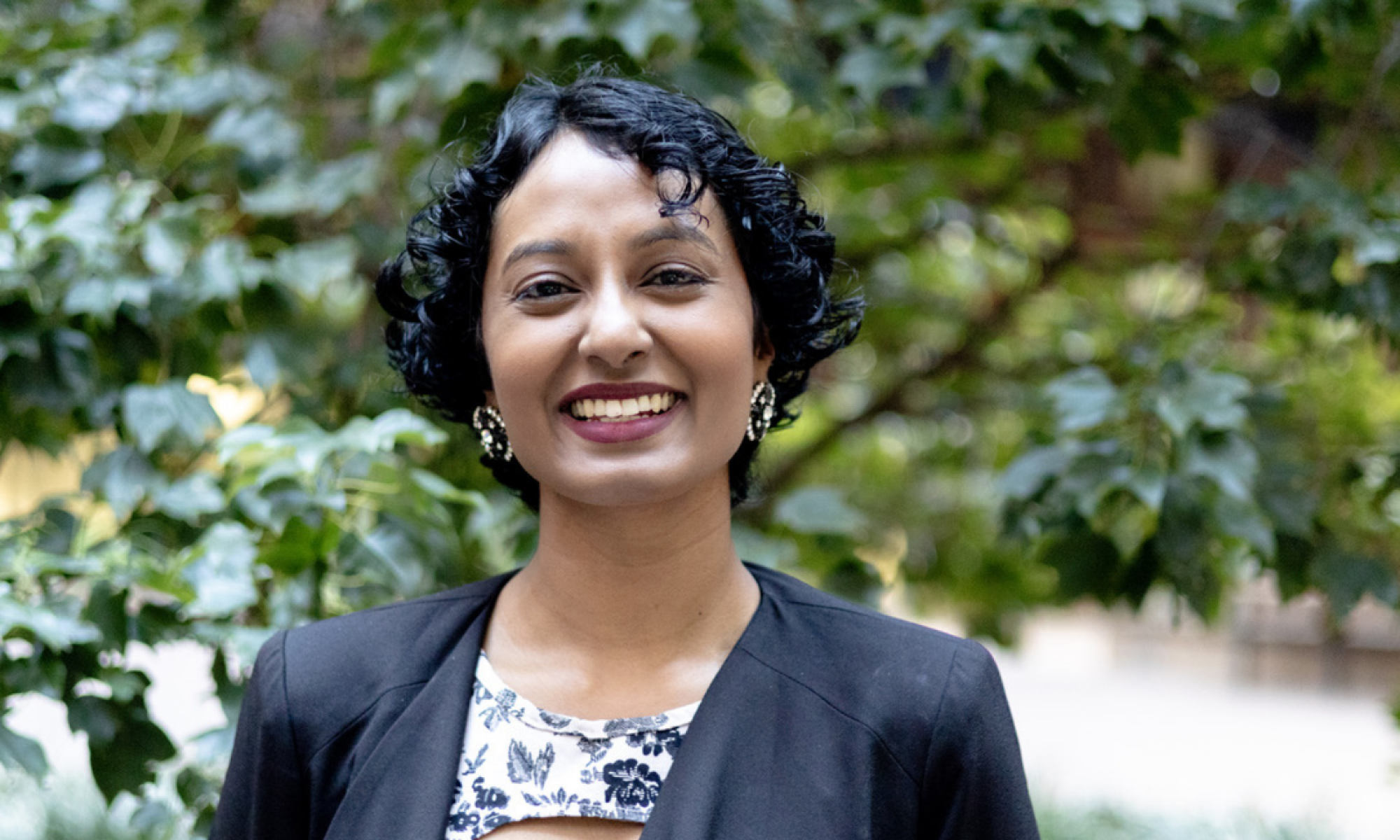
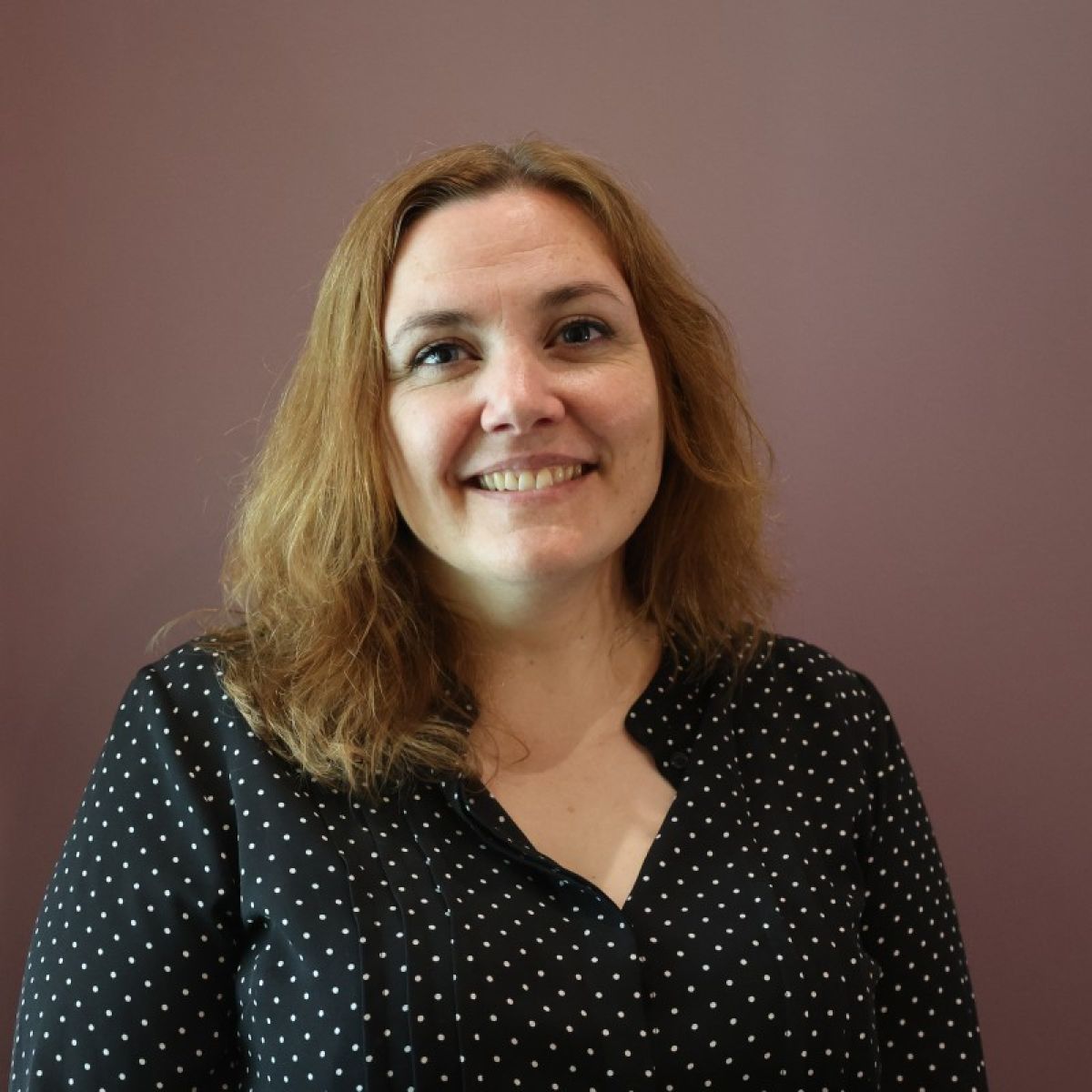
When Melanie Carew and Shaz Sivanesan began nominating women scientists for Remember a Local – Name a Place, they didn’t expect the process to change how they thought about history, recognition and the places we call home.
Melanie and Shaz, both science communicators and co-founders of Next Hypothesis, saw the campaign as a way to highlight local contributions that commonly go unrecognised. Many Victorians feel the same way.
‘Science is the foundation of progress,’ Shaz says. ‘It often takes a lifetime of work before that progress is visible. Name a Place gave us a way to recognise those contributions here in Victoria, and hopefully inspire the next generation.’
For Melanie, the motivation was simple and inspiring.
‘There are so many people doing amazing work who don’t get the recognition they deserve. Nominating them was a way to shine a light on those achievements.’
Choosing who to nominate: uncovering hidden stories
As Melanie and Shaz talked and did more research, their list of inspiring nominees grew quickly. They realised that Victorian science is full of stories that are technically significant and intensely human.
Their first nomination was Dr Isabel ‘Joy’ Bear AM, a chemist whose research unlocked the mystery behind petrichor, the unique scent that appears when rain meets dry earth.
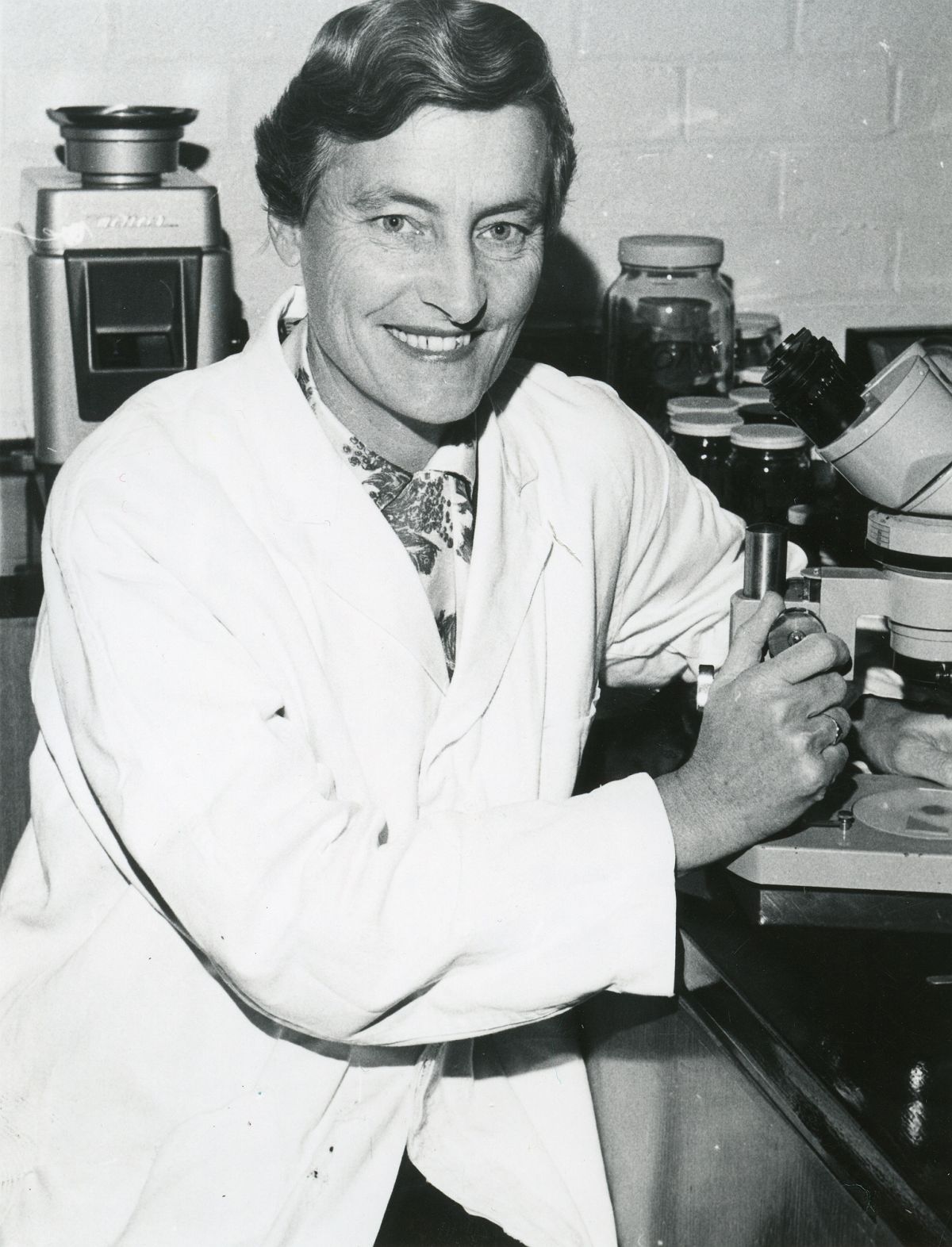
‘It’s such a strong childhood memory for many Victorians,’ Melanie says. ‘We realised Joy’s role in naming and explaining petrichor is largely unknown, even though her work connects with people in such an immediate way.’
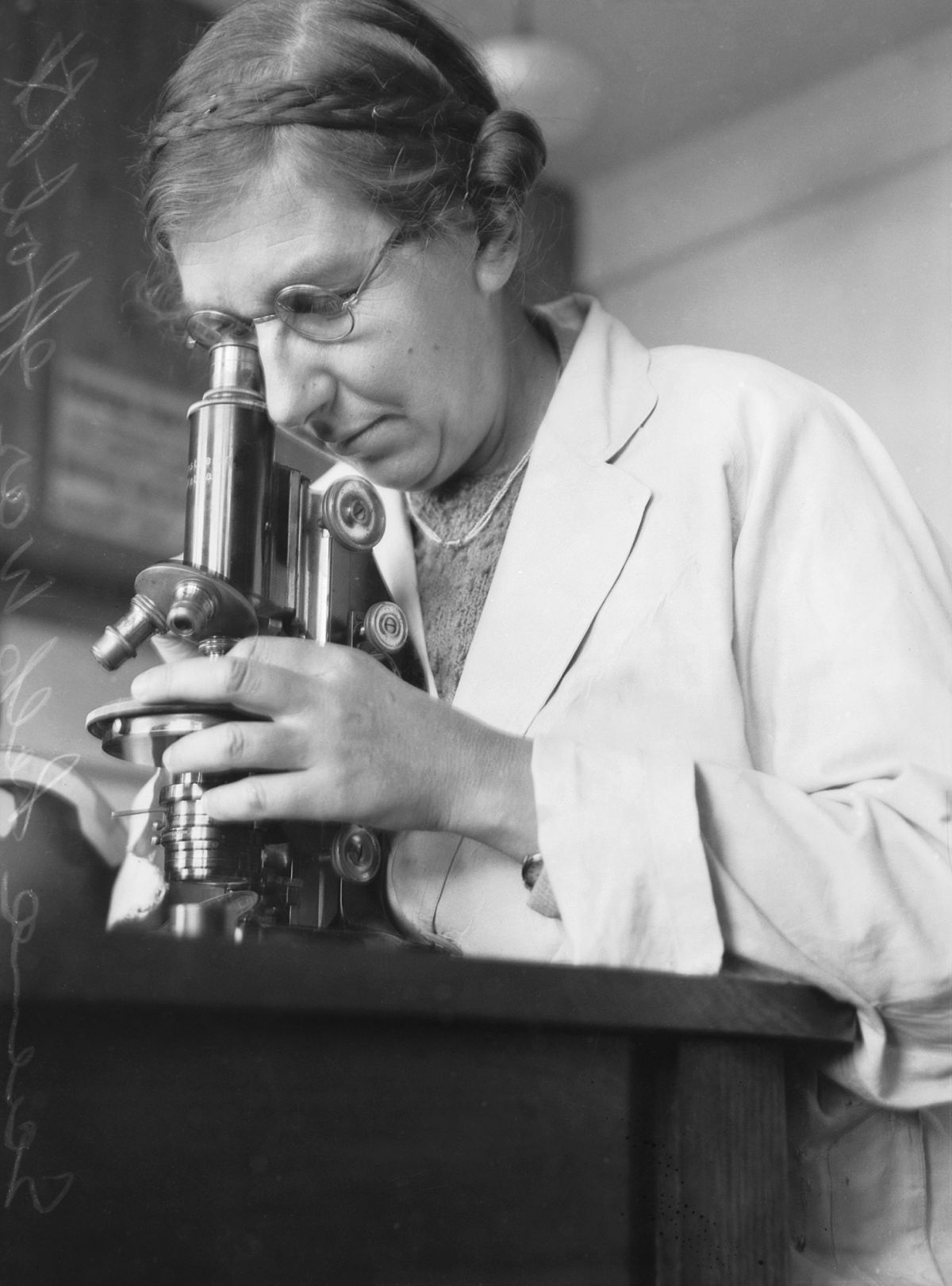
They also nominated Dr Isabel Clifton Cookson, a pioneering botanist whose fossil research changed how we view early plant life and helped identify more than 550 species.
The work behind a nomination: persistence and partnership
As Melanie and Shaz looked further, they were surprised by how much detective work it took. The information existed, but many of these stories had been scattered or quietly stored away over the years.
‘Some of the stories have been hidden for so long that you need persistence,’ Shaz explains. ‘You try one path, then another, and you keep going.’
An integral part of their process was learning about the people behind the achievements. For Joy Bear, they connected with her family to better understand her story.
‘It felt important to honour the person, not just the work,’ Melanie says. ‘Spending time with family members helped us understand what mattered to her and how she lived.’
For Isabel Clifton Cookson, things were different. They had to carefully check records at the Public Record Office Victoria to confirm she had no living relatives.
‘We hadn’t expected that process to be so moving,’ Shaz reflects. ‘Reading her handwritten instructions from late in her life gave us insight into her dedication, her friendships and her devotion to research.’
Doing justice to a legacy: telling the whole story
For Melanie and Shaz, a strong nomination was never solely about following steps. It was about telling the whole story.
‘Doing justice meant understanding the outcomes of their work, but also who they were as people,’ Melanie says. ‘We spoke to family, colleagues, institutions and researchers until we could tell a clear, respectful story.’
Letters of support made all the difference. Once organisations understood the purpose behind the nomination, support flowed in.
‘People genuinely wanted to help shine a light on these women,’ Shaz says. ‘That generosity made a huge difference.’
Their background in science communication helped them share complex achievements in a way everyone could understand. Throughout the process, they focused on the people, not just the awards.
What stayed with them
Submitting the nominations brought mixed emotions.
‘There was a real sense of accomplishment,’ Shaz says. ‘Like we’d helped keep their legacy alive.’
For Melanie, the experience felt very personal.
‘It was a bit like saying goodbye to an old friend. We feel an obligation to keep telling their stories.’
The process also changed how they view recognition and the effects it can have.
‘So many people quietly shift the world through science,’ Melanie reflects. ‘Being able to bring those stories into public view is a privilege.’
Advice for others
If you’re thinking about making your first nomination, Melanie and Shaz have some practical advice: don’t go it alone.
‘Find a friend or a group to work with,’ Shaz suggests. ‘You can split the work, and it’s much more rewarding when you share the moments of discovery.’
They also note that while the nomination form is important, the most meaningful parts happen before and after you fill it out.
‘The journey's much more than the form,’ Melanie says. ‘If you know even part of someone’s story, you’ll be surprised how many people want to help you tell it.’
Why public participation matters
For Melanie and Shaz, campaigns like Remember a Local – Name a Place make recognition possible in ways that might not happen otherwise.
‘The places we move through every day should reflect the people who shaped them,’ Shaz says. ‘Public participation lets us correct imbalances that have built up over time.’
And if the campaign didn’t exist?
‘These stories aren’t untold,’ Melanie says. ‘They’re known by families, colleagues and communities. Name a Place helps all of us benefit from knowing them.
Want to get involved?
If you know someone who has made a lasting contribution to Victoria, find out how you can nominate them through Remember a Local – Name a Place on Engage Victoria
Page last updated: 29/09/26